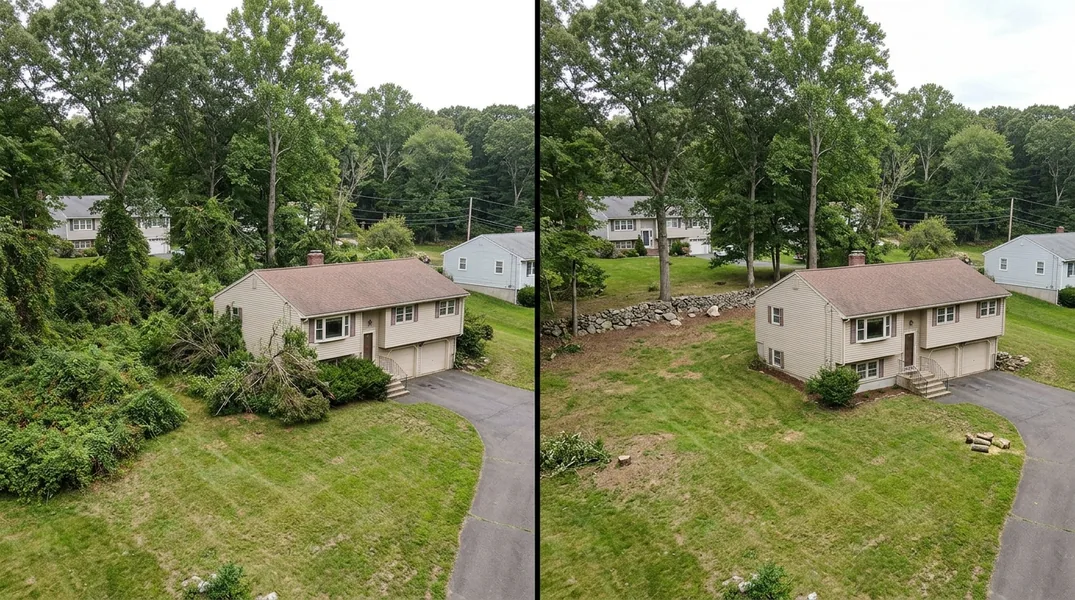
Understanding Nor'easters and Hurricane Threats to Your Trees
Living in Bridgeport means your trees face unique seasonal challenges. Nor'easters and Atlantic hurricanes are not hypothetical risks, they are regular occurrences that can cause severe damage to mature trees, power lines, and structures. Between September and March, nor'easter tree damage in Connecticut claims branches, uproots entire trees, and creates hazardous conditions for homeowners and their properties.
The combination of heavy rainfall, saturated soil, and extreme winds creates the perfect storm for tree failure. Trees weakened by disease, poor structure, or previous storm damage are especially vulnerable. A tree that survived last year's nor'easter may not withstand this season's hurricane-force winds. Understanding these threats is the first step toward protecting your landscape and home.
Why Preventive Tree Trimming Matters Before Storm Season
Tree Trimming & Pruning is not simply about aesthetics. Professional trimming before hurricane season reduces wind resistance, improves tree structure, and removes dead or diseased branches that are likely to snap during high winds. When a experienced arborist removes weak limbs, they are actively reducing the weight load that storm winds will push against, making your trees more aerodynamic and resilient.
Preventive tree trimming in Fairfield County should be completed before late August, ideally during summer months when trees are actively growing and can heal quickly. Trees trimmed in fall or winter face slower healing and increased disease risk during dormancy. The goal is to create a strong branch structure with proper spacing and angles that can flex and move with storm winds rather than break under pressure. Many homeowners in Bridgeport wait until after a storm to call for help, but by then the damage is done and expensive Emergency Tree Service becomes necessary.
Identifying Trees at Risk: A Pre-Storm Assessment
Not all trees face equal risk during nor'easters and hurricanes. Certain species, ages, and health conditions make trees more prone to failure. Shallow-rooted trees like maples, birches, and willows are more likely to topple in saturated soil. Conifers with dense foliage catch more wind resistance than deciduous trees. Dead trees, trees with cavities, trees leaning toward your home, and trees with multiple co-dominant stems (two or more trunks of equal size) are red flags that warrant professional evaluation.
The best time to assess your trees is now, during calm weather, not during a storm warning. Walk your property and look for dead branches in the canopy, bark damage, large cavities, signs of pest damage, or visible lean. Trees growing too close to your roof, power lines, or driveway should be evaluated by a professional. If you are unsure whether a tree is safe, contact Bridgeport Tree Service at (475) 348-8493 to schedule a free estimate. A experienced arborist can identify hazards that untrained eyes might miss and recommend whether trimming, cabling, or removal is the safest option.
Storm Prep Tree Service: What You Should Do Now
Effective hurricane tree prep in Bridgeport starts with a multi-step approach. First, remove any dead trees or dead branches that are clearly hazardous. Second, have large trees professionally trimmed to reduce crown density and improve structure. Third, thin the canopy to allow wind to pass through rather than catch against dense foliage. Fourth, remove any branches that overhang your home, garage, deck, or power lines. These steps should be completed at least 4 to 6 weeks before peak storm season to allow trees time to compartmentalize wounds and begin healing.
If a tree is severely damaged, diseased, or structurally unsound, Tree Removal may be the only safe option. Removing a hazardous tree before storm season prevents it from becoming a liability during high winds. After removal, Stump Grinding eliminates the stump and roots, preventing regrowth and creating a clean landscape. The cost of preventive removal is far less than the cost of emergency removal after a tree has damaged your home, vehicle, or injured someone on your property.
Creating a Storm-Resistant Landscape Plan
Beyond trimming existing trees, consider the long-term resilience of your landscape. Avoid planting large trees with weak wood or shallow roots near your home or power lines. Species like ash, elm, and soft maples are beautiful but prone to storm damage. Instead, plant native species with strong wood, deep roots, and moderate growth rates. Spacing matters too. Trees planted too close together create wind tunnels that accelerate damage. Trees spaced farther apart allow each tree to move independently and reduce the domino effect of one falling tree striking another.
If you have multiple large trees in your yard, prioritize trimming those closest to your home, driveway, deck, or power lines. These trees pose the greatest risk if they fail. Work with a professional arborist to create a multi-year maintenance plan that addresses the highest-risk trees first, then moves to secondary concerns. Regular maintenance every 2 to 3 years keeps trees healthy, strong, and resilient through many storm seasons.
When to Call a Professional: Emergency vs. Preventive Service
There is a critical difference between preventive trimming and emergency response. Preventive work is scheduled during calm weather, allows the arborist to work safely and thoroughly, and costs significantly less than emergency rates. Emergency work happens during or immediately after a storm when demand is high, crews are stretched thin, and safety risks increase. If you wait until a nor'easter warning is issued to call for tree service, you may not get an appointment, and you will pay premium rates.
The best time to call is now. Contact Bridgeport Tree Service at (475) 348-8493 or visit our website at https://bridgeport-tree-service.com to discuss your trees and storm preparation needs. Whether you need preventive trimming, hazard removal, or full tree removal, we are here to help you protect your home and family. Do not wait for the next nor'easter warning. Prepare your trees today and sleep soundly when storms arrive.
Looking for a professional tree service contractor in Bridgeport? Bridgeport Tree Service responds fast for all your tree service needs.
Get a Free QuoteOur services: Tree Removal · Tree Trimming & Pruning · Stump Grinding